
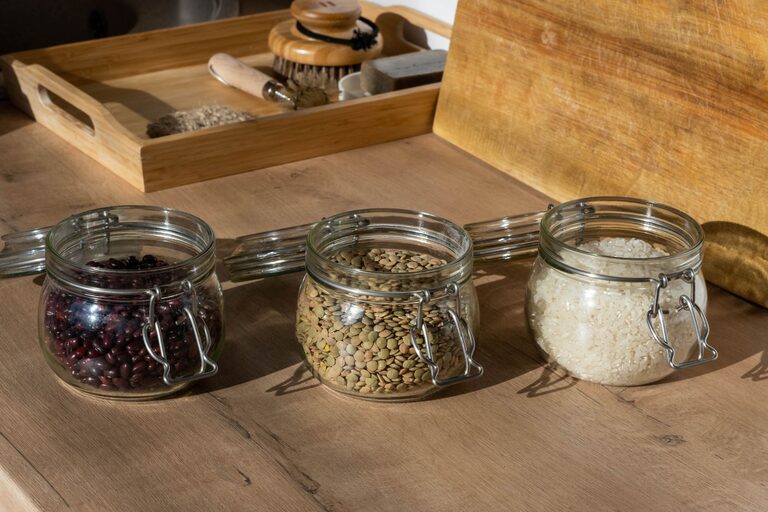
Planning meals from pantry staples can save time, reduce food waste, and make busy days easier. Instead of starting with a complicated recipe, begin with the ingredients you already have. With a few simple combinations, items such as rice, pasta, beans, canned tomatoes, oats, and spices can become satisfying meals.
The key is to plan around flexible ingredients rather than one specific dish. This gives you more options and makes it easier to use what is available.
Start With a Pantry Inventory
Before planning your meals, take a quick look through your pantry, refrigerator, and freezer. Write down what you have and group the items by type.
Useful groups include:
– Grains such as rice, pasta, oats, quinoa, and couscous
– Canned goods such as beans, tomatoes, corn, and vegetables
– Dry goods such as lentils, dried beans, flour, and breadcrumbs
– Flavoring ingredients such as broth, vinegar, oil, spices, and sauces
– Protein options such as canned tuna, peanut butter, eggs, and shelf stable tofu
– Freezer items such as frozen vegetables, fruit, and cooked meat
Check expiration dates as you go. Place older items near the front so they are more likely to be used first. You do not need a perfect inventory. A simple list on paper or in your phone is enough.
Build Meals With a Basic Formula
A simple meal formula helps you create balanced dishes without searching for a new recipe every day. Try combining:
- A base
- A protein
- A vegetable or fruit
- A sauce or seasoning
For example, rice can be combined with canned beans, frozen vegetables, and salsa. Pasta can be paired with canned tomatoes, lentils, and Italian seasoning. Oats can be cooked with peanut butter, cinnamon, and frozen fruit.
This formula is flexible. If you are missing one part, use a similar ingredient. A grain can replace pasta, beans can replace another protein, and frozen vegetables can replace fresh produce.
Choose a Weekly Theme
Themes can make planning faster while keeping meals varied. Consider using themes such as:
– Pasta night
– Soup or stew night
– Grain bowls
– Breakfast for dinner
– One pot meals
– Wraps or sandwiches
– Leftover night
A theme is not a strict rule. It is simply a starting point that helps you decide what to cook.
Plan Around Versatile Staples
Some pantry ingredients can be used in several different meals. These are especially useful when you want to shop less often or avoid buying ingredients for only one recipe.
Rice and Other Grains
Rice works as a side dish, bowl base, soup ingredient, or filling for vegetables and wraps. Cooked rice can be seasoned in different ways throughout the week. Add soy sauce and vegetables for a quick skillet meal, or combine it with beans, salsa, and cheese for a simple bowl.
Pasta, couscous, quinoa, and barley offer similar flexibility. Cook a larger batch and store it safely for later meals.
Beans and Lentils
Canned and dried beans are filling, affordable, and easy to season. Use them in chili, soups, salads, tacos, pasta dishes, or mashed spreads. Lentils work well in stews, grain bowls, and tomato based sauces.
Rinse canned beans before using them to remove excess liquid and adjust the flavor. If using dried beans or lentils, follow the package directions for cooking and storage.
Canned Tomatoes
Canned tomatoes can form the base of many meals. Simmer them with onions, garlic, and spices for a pasta sauce. Add beans and vegetables for chili, or combine them with broth and grains for soup.
Keeping both crushed and diced tomatoes on hand gives you options for smooth sauces and chunkier dishes.
Oats and Peanut Butter
Oats are useful for more than breakfast. Use them for overnight oats, baked oatmeal, snack bars, or a quick savory bowl. Peanut butter can add flavor and richness to oatmeal, smoothies, sauces, and sandwiches.
For a savory option, cook oats with broth and top them with an egg, beans, or sautéed vegetables.
Add Fresh or Frozen Ingredients
Pantry meals are easier to enjoy when they include a few fresh or frozen ingredients. You do not need a large shopping list. Choose items that can be used in several ways.
Good options include:
– Onions and garlic
– Carrots and potatoes
– Cabbage
– Apples and bananas
– Eggs
– Cheese
– Yogurt
– Leafy greens
– Frozen mixed vegetables
– Frozen spinach
– Frozen berries
Frozen vegetables are especially useful because they last longer and can be added directly to soups, pasta, rice dishes, and skillet meals. Fresh onions, carrots, and cabbage also tend to keep well and work in many recipes.
Create a Simple Meal Plan
Once you know what you have, plan three to five main meals for the week. Leave a few spaces for leftovers, easy meals, or changes in schedule.
A sample plan might look like this:
– Monday: Rice bowls with beans, corn, and salsa
– Tuesday: Tomato and lentil pasta
– Wednesday: Vegetable soup with bread
– Thursday: Leftover rice bowls with a fried egg
– Friday: Tuna or bean sandwiches with fruit
Notice that the same ingredients appear more than once. Reusing ingredients saves time while changing the seasonings or format keeps meals from feeling repetitive.
You can also plan ingredients instead of exact meals. For example, cook rice, prepare beans, and chop vegetables. During the week, use them in bowls, soups, wraps, or salads.
Use Flavor Combinations to Prevent Boredom
The same staple can taste very different with a new flavor direction. Try grouping seasonings into broad combinations:
Mexican Inspired
Use chili powder, cumin, salsa, corn, beans, and lime juice. These flavors work well in rice bowls, tacos, soups, and casseroles.
Mediterranean Inspired
Try olive oil, garlic, oregano, canned tomatoes, beans, pasta, and vinegar. Add cheese or fresh herbs when available.
Asian Inspired
Use soy sauce, ginger, garlic, sesame oil, rice, noodles, and frozen vegetables. A small amount of peanut butter can create a quick sauce.
Comfort Food
Combine broth, potatoes, carrots, pasta, cheese, breadcrumbs, or canned vegetables. These ingredients can become casseroles, soups, or skillet meals.
You do not need every ingredient in a flavor group. Even one or two seasonings can change the character of a dish.
Plan for Leftovers
Leftovers are most useful when you plan how to reuse them. Cooked rice can become fried rice, soup, or a filling. Roasted vegetables can be added to eggs, pasta, sandwiches, or grain bowls. Extra beans can be mashed into a spread or stirred into tomato sauce.
Store leftovers in clean containers and label them with the date. Refrigerate foods promptly and reheat them thoroughly. When in doubt about how long a food has been stored, check a reliable food safety source.
Keep a Small Backup List
A backup meal list can reduce stress when plans change. Choose meals that require little preparation and use ingredients you usually keep on hand.
Examples include:
– Pasta with tomato sauce and beans
– Rice with eggs and frozen vegetables
– Bean and cheese quesadillas
– Oatmeal with fruit and peanut butter
– Soup made with broth, canned vegetables, and grains
– Tuna, bean, or peanut butter sandwiches
Keep the ingredients for two or three backup meals available. This makes it easier to avoid unnecessary trips to the store or last-minute takeout.
Make a Flexible Grocery List
After planning from your pantry, buy only the items that complete your meals. Focus on fresh ingredients, missing staples, and foods that can be used in more than one dish.
A useful grocery list might include:
– Two or three vegetables
– One or two fruits
– Eggs or another protein
– Milk or yogurt
– Bread or tortillas
– Fresh herbs or lemons for flavor
– Any pantry item that is nearly empty
Planning this way keeps your kitchen stocked without overbuying. Over time, you will learn which staples your household uses most often and can adjust your list accordingly.
Meal planning from pantry staples does not have to be strict or complicated. Start with what you have, use a simple meal formula, and plan flexible combinations instead of relying on exact recipes. With a few versatile ingredients and thoughtful seasoning, everyday pantry foods can become a wide range of practical, satisfying meals.