
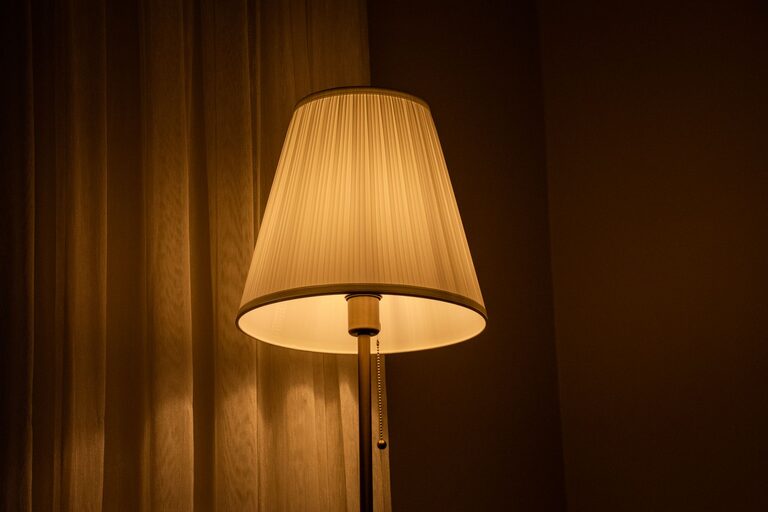
Why Comfortable Lighting Matters
Good home lighting does more than brighten a room. It helps define the mood, supports everyday activities, and makes your space feel welcoming. The most comfortable rooms usually do not rely on one bright ceiling fixture. Instead, they combine several light sources at different heights and levels of brightness.
When choosing lighting, consider how each room is used, where people sit or work, and how natural light changes throughout the day. A warm reading corner may need different lighting from a bright kitchen counter or a hallway.
The goal is to create balanced light that is useful without feeling harsh or overpowering.
Start With the Room’s Purpose
Before buying a fixture or bulb, think about what you do in the room. Lighting should support the main activities without making the space feel overly bright.
Living Rooms
Living rooms often serve several purposes, such as relaxing, reading, watching television, and entertaining guests. A mix of lighting works well here:
– Ceiling fixtures for general illumination
– Floor or table lamps for focused light
– Wall sconces for soft background lighting
– Accent lights to highlight artwork, shelves, or architectural details
Avoid placing a very bright light directly behind or above the television. Strong contrast between the screen and the surrounding room can make the space feel less comfortable.
Kitchens
Kitchens benefit from clear, even lighting. General ceiling lights can brighten the entire room, while under cabinet lights can illuminate counters and work areas.
Place task lighting where food preparation, cooking, or cleanup takes place. If possible, position lights so your body does not cast a shadow across the counter.
Bedrooms
Bedrooms generally work best with softer, warmer lighting. Use a central fixture or recessed lights for general illumination, then add bedside lamps or wall mounted fixtures for reading and other evening activities.
Bedside lights should be easy to reach and simple to operate. Adjustable fixtures can be especially useful because they let you direct light where it is needed.
Home Offices
A home office needs practical lighting that supports reading, writing, and computer work. Combine overhead lighting with a desk lamp or another focused source.
Place a desk lamp to the side of your dominant hand when writing. This can help reduce shadows across the page. Also, avoid positioning a lamp where it creates glare on your computer screen.
Understand Color Temperature
Light bulbs are often described by color temperature, measured in Kelvin. You do not need to memorize technical details, but understanding the basic categories can help you choose a comfortable atmosphere.
– Warm light usually has a soft, golden appearance and works well in bedrooms, living rooms, and dining areas.
– Neutral light appears more balanced and is useful in kitchens, bathrooms, offices, and multipurpose rooms.
– Cool light has a crisp, bright appearance and may suit work areas, garages, or utility spaces.
For a coordinated home, avoid using dramatically different bulb colors in rooms that connect visually. For example, a warm living room next to a very cool hallway may feel disjointed. Choose colors that suit the room while maintaining a consistent overall style.
Choose the Right Brightness
Brightness is commonly listed in lumens. Watts measure energy use, while lumens indicate how much light a bulb produces. When comparing modern bulbs, lumens are usually more helpful than watts.
The right brightness depends on the fixture, room size, wall color, and purpose of the light. A small decorative lamp may need only a modest bulb, while a kitchen ceiling fixture may require more output.
Rather than using one extremely bright bulb, consider several lower brightness fixtures. Multiple light sources can spread illumination more evenly and give you more control over the room’s mood.
When in doubt, choose fixtures that support dimmable bulbs. Adjustable brightness allows the same room to feel bright during cleaning and softer during an evening gathering.
Layer Different Types of Lighting
A comfortable lighting plan usually includes three layers.
Ambient Lighting
Ambient lighting provides general illumination throughout the room. Examples include ceiling fixtures, chandeliers, recessed lights, and track lighting.
This layer should make it easy to move around the space without creating overly bright spots or deep shadows.
Task Lighting
Task lighting focuses on a specific activity. Desk lamps, reading lamps, under cabinet fixtures, and vanity lights are common examples.
Task lights should be close enough to the activity to be useful, but positioned so they do not shine directly into your eyes or create distracting reflections.
Accent Lighting
Accent lighting adds depth and visual interest. It can highlight plants, artwork, bookshelves, textured walls, or decorative objects.
Accent lights do not need to be very bright. Their purpose is to draw attention and create contrast, helping the room feel more layered and inviting.
Pay Attention to Placement
Even a well chosen fixture may feel uncomfortable if it is installed in the wrong location. Think about the height, direction, and surrounding surfaces before finalizing placement.
Pendant lights over a table or island should provide useful illumination without blocking views. Wall sconces should be positioned at a comfortable height and aimed away from direct eye level when possible.
Floor lamps need a stable location where they will not interfere with walkways. Table lamps should fit the size of the furniture. A very large lamp on a small side table can feel crowded, while a tiny lamp may not provide enough light.
Reflective surfaces such as mirrors, glossy countertops, and glass can increase glare. If a fixture creates unwanted reflections, try changing its angle, lowering its brightness, or using a shade that softens the output.
Select Fixtures With Shades and Diffusers
Bare bulbs can provide a modern look, but they may feel harsh in some areas. Shades, frosted glass, and diffusers help spread light and reduce direct glare.
Fabric shades often create a soft, warm effect. Frosted bulbs and glass covers distribute light more evenly than clear bulbs. If you like the appearance of exposed bulbs, consider using decorative bulbs with lower brightness or placing them in fixtures that limit direct visibility.
The fixture’s material also affects the room. Light colored shades tend to spread more illumination, while dark or opaque shades direct light more narrowly.
Consider Dimmers and Smart Controls
Lighting controls make a room more flexible. A dimmer lets you adjust brightness for different activities and times of day. Before installing one, confirm that the fixture and bulbs are compatible with dimming.
Smart bulbs and connected switches can offer scheduling, remote control, and preset scenes. These features can be useful, but simple controls are often enough for comfortable everyday lighting. Choose a system that is easy for everyone in the household to use.
For rooms with several fixtures, group controls can help you adjust layers together. For example, one setting might provide bright ambient light, while another might combine low ambient light with accent and task lighting.
Use Natural Light Thoughtfully
Natural light is an important part of a home’s lighting plan. Arrange furniture so daylight can enter the room without creating strong reflections on screens or glossy surfaces.
Window coverings provide control throughout the day. Sheer curtains can soften bright sunlight, while blinds and shades allow more precise adjustment. In rooms with limited daylight, mirrors and light colored walls can help reflect available light.
Artificial lighting should complement natural light rather than compete with it. During the day, you may need less overhead lighting, while evening activities may require a stronger combination of ambient and task lights.
Test Before You Commit
Lighting can look different in a store, online photograph, and actual home. If possible, test bulbs in the room where they will be used. Observe them during both daytime and evening hours.
Check for:
– Uneven bright or dark areas
– Reflections on screens and glass
– Shadows across work surfaces
– Bulbs that look too yellow or too blue
– Fixtures that are difficult to switch or adjust
Small changes, such as replacing a bulb, adding a lamp, or changing a shade, can make a noticeable difference.
Final Tips for a Comfortable Lighting Plan
A thoughtful lighting plan does not need to be complicated. Begin with the room’s purpose, then combine general, task, and accent lighting as needed. Choose bulb colors that match the mood of each space, use dimmers where practical, and pay close attention to glare and placement.
Most importantly, give yourself flexibility. Rooms change throughout the day, and comfortable lighting should be able to change with them. When several adjustable light sources work together, your home can feel practical, relaxed, and welcoming in every season.