
Cleaning up after dinner does not have to mean facing a sink full of dishes, a crowded counter, and several different surfaces to scrub. With a few practical habits, you can make cleanup faster, simpler, and easier to manage every day.
The key is to reduce the amount of mess as you cook, keep useful supplies within reach, and create a routine that works for your household. These ideas can help turn dinner cleanup into a short final step instead of a major chore.
Start With a Simple Cleanup Plan
Before cooking, take a moment to think about what will need to be cleaned afterward. If you are preparing several dishes, look for ways to use fewer bowls, pans, and utensils.
For example, you might:
– Measure ingredients into one bowl when possible
– Use the same cutting board for several vegetables
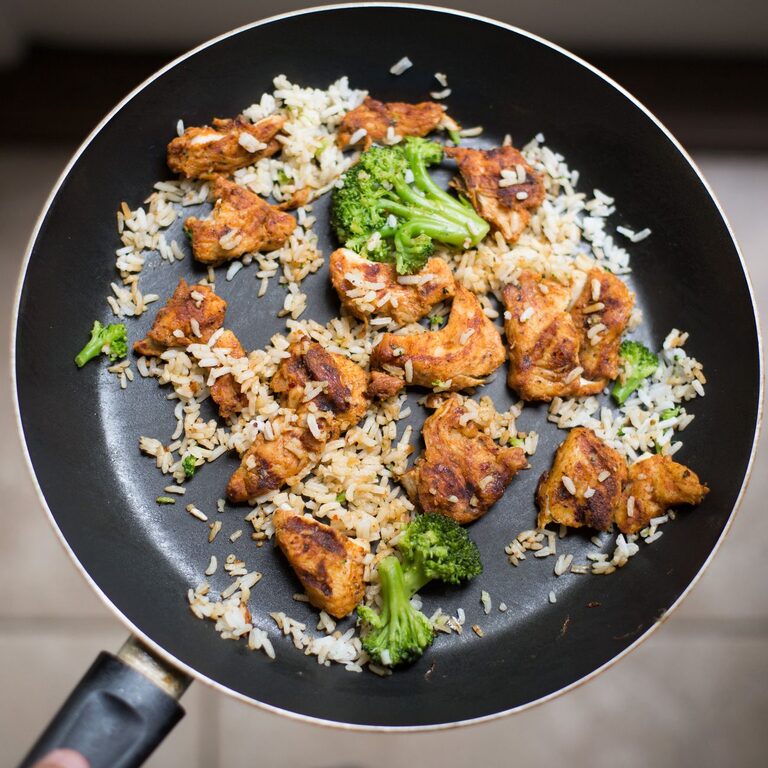
– Cook multiple ingredients in one skillet
– Serve food directly from the cooking dish
– Choose recipes that use one pot or one pan
This does not mean every meal needs to be made in a single dish. However, choosing tools carefully can prevent a large pile of dishes later.
It also helps to clear the dishwasher or drying rack before dinner preparation begins. Empty spaces make it easier to put dishes away as you go, rather than leaving everything on the counter.
Clean While You Cook
One of the most effective cleanup habits is washing items during the cooking process. While water is boiling or food is baking, use that time to rinse tools, wipe counters, or load the dishwasher.
Start with items that are no longer needed. Place measuring cups, mixing bowls, and used utensils in the sink or dishwasher instead of allowing them to spread across the kitchen.
Keep a bowl or container near your work area for scraps. This makes it easier to collect peels, stems, and packaging in one place. When preparation is finished, empty the container into the trash or compost bin and wash it if needed.
A quick wipe after each cooking step also helps prevent spills and crumbs from drying onto the counter. A damp cloth is often enough for small messes.
Use Short Waiting Periods
Cooking often includes small breaks. Use them for quick tasks such as:
– Rinsing a cutting board
– Returning spices to the cabinet
– Wiping a stovetop
– Putting away ingredients
– Loading a few dishes
– Sweeping up visible crumbs
These small actions add up. By the time dinner is ready, much of the cleanup may already be finished.
Choose Tools That Are Easy to Clean
Kitchen tools with simple shapes are often easier to wash than items with narrow openings, deep grooves, or many small parts. When selecting cookware and utensils, consider how much effort they will require after use.
Useful choices may include:
– Nonstick or easy-release cookware
– Cutting boards with smooth surfaces
– Measuring cups that stack neatly
– Utensils that are safe for the dishwasher
– Storage containers with simple lids
– Baking sheets that fit easily in the sink
Before buying a new kitchen item, think about where it will be stored and how it will be cleaned. A tool that saves time during cooking may not be helpful if it is difficult to wash or requires special care.
It is also useful to avoid using more tools than necessary. If a spoon can be used for two steps, there may be no need to reach for a second one.
Soak Dishes Before Food Dries
Dried food can make dishwashing much more difficult. As soon as you finish with a pan, bowl, or utensil, remove leftover food and add warm water. A small amount of dish soap can help loosen stuck-on residue.
For cookware that should not be soaked, follow the care instructions. Some materials may require specific cleaning methods. In general, cleaning dishes soon after use is easier than waiting until the end of the evening.
If you are loading the dishwasher, scrape off food instead of rinsing every dish under running water. Check the instructions for your dishwasher and arrange dishes so water can reach the dirty surfaces.
Make the Dishwasher Work Efficiently
A well-organized dishwasher can save time and reduce the amount of handwashing. Place plates, bowls, and cookware where they fit securely without blocking the spray arms.
A few helpful habits include:
– Put similar items together when practical
– Face dirty surfaces toward the center
– Place utensils with enough space for water to reach them
– Avoid overloading the racks
– Check that tall items do not block other dishes
If some items must be washed by hand, do those first while the dishwasher is running. This keeps the sink from becoming crowded and makes the final cleanup feel more manageable.
Unload clean dishes when you have a convenient moment, such as while waiting for water to boil or coffee to brew. A dishwasher that is ready for the next load makes daily cleanup easier.
Keep Cleanup Supplies Close
You are more likely to clean as you go when supplies are easy to reach. Keep a dish brush, sponge, dish soap, and a few clean cloths in a convenient location.
You can also create a small cleanup station with:
– A washable cloth for counters
– A brush for cookware
– A container for food scraps
– A small broom or handheld vacuum
– A drying mat for hand-washed items
Store supplies neatly so they are available without making the kitchen look cluttered. Replace sponges and cloths regularly, and clean them according to the manufacturer’s instructions.
Simplify Serving and Storage
Serving food family-style can reduce the number of dishes used during the meal. However, if leftovers are likely, choose serving containers that can be covered and stored easily.
When possible, let food cool briefly before transferring it to storage containers, following safe food-handling practices. Labeling or organizing leftovers can make the next meal easier and help prevent containers from being forgotten in the refrigerator.
You can also keep a few reusable containers that stack well. Matching containers take up less space and are easier to wash and store than a collection of unrelated shapes and sizes.
Create a Ten-Minute After-Dinner Routine
A short, consistent routine is often more effective than waiting until the kitchen is completely messy. Set a timer for ten minutes and focus on the most important tasks.
A basic routine might include:
- Clear plates and leftover food.
- Load the dishwasher or wash the main dishes.
- Soak or scrub cookware.
- Wipe the table and counters.
- Clean the stovetop if needed.
- Sweep visible crumbs from the floor.
- Put away food and cooking supplies.
Not every kitchen will be fully spotless in ten minutes, and that is fine. The goal is to leave the space reasonably clean and ready for the next day.
Share the Work
Dinner cleanup does not have to be handled by the person who cooked. If more than one person is available, divide the work into clear tasks.
One person can clear the table while another loads the dishwasher. Someone else might wipe the counters or put away leftovers. Even young children can help with simple jobs such as carrying napkins, placing utensils in the sink, or wiping a clean table with a suitable cloth.
Clear responsibilities prevent confusion and help cleanup become a normal part of the meal routine.
Make the Routine Fit Your Lifestyle
The best cleanup system is one you can follow consistently. If a detailed routine feels difficult, begin with just two habits: clean while cooking and clear the kitchen after dinner.
Over time, add other changes that make sense for your space and schedule. Small improvements, repeated regularly, can save time and reduce stress. With a little planning, dinner cleanup can become a quick, predictable part of the evening rather than a task that hangs over you.