
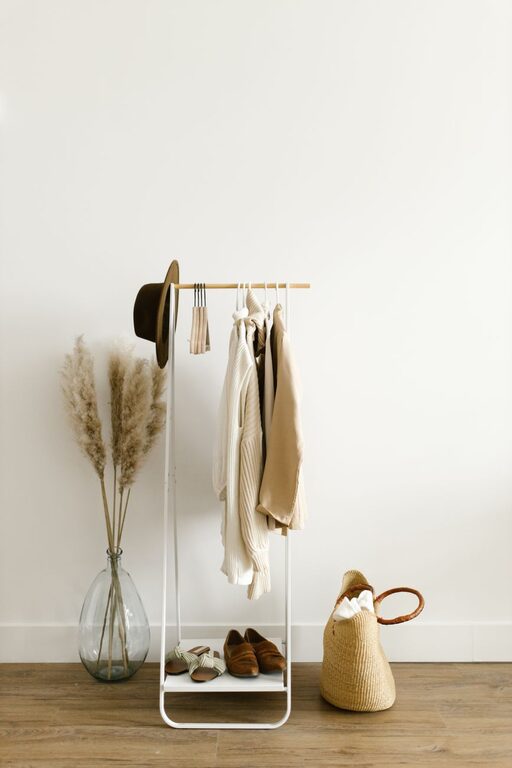
Building a basic capsule wardrobe can make getting dressed simpler, faster, and more enjoyable. Instead of filling your closet with items that rarely get worn, a capsule wardrobe focuses on a smaller collection of versatile clothing that works well together.
You do not need to follow strict rules or own a specific number of pieces. The goal is to create a wardrobe that suits your lifestyle, personal taste, climate, and daily routine. With a thoughtful approach, even a modest collection can provide plenty of outfit options.
What Is a Capsule Wardrobe?
A capsule wardrobe is a curated group of clothing, shoes, and accessories that can be mixed and matched in many ways. The collection usually includes essential pieces in coordinating colors, along with a few items that show your personality.
A basic capsule wardrobe may include:
– Everyday tops
– Casual and polished bottoms
– Layers such as sweaters or jackets
– One or two versatile dresses or jumpsuits
– Comfortable shoes for common activities
– Seasonal outerwear
– A small selection of accessories
Some people create one capsule wardrobe for the entire year, while others build separate collections for spring, summer, fall, and winter. Choose the approach that feels easiest to maintain.
Start With Your Lifestyle
Before buying anything, think about how you actually spend your time. Your wardrobe should support your real life rather than an imagined version of it.
Consider these questions:
– Do you work in an office, from home, outdoors, or in several settings?
– How often do you attend formal or special events?
– Do you prefer jeans, trousers, skirts, dresses, or a combination?
– What activities require specific clothing?
– What type of weather do you experience most often?
– Which garments do you reach for repeatedly?
For example, someone who works from home may need more comfortable casual clothing, while someone in a business setting may need several polished layers. A person who walks frequently may prioritize supportive shoes and weather-resistant outerwear.
Write down the activities that make up most of your week. This list will help you avoid buying items that look appealing but do not fit your routine.
Review Your Current Closet
A capsule wardrobe does not have to begin with a shopping trip. Start by examining what you already own.
Take everything out of your closet and sort the clothing into groups:
- **Keep:** Items that fit well, feel comfortable, and are worn regularly.
- **Repair or alter:** Pieces that could be useful after a simple fix.
- **Store:** Seasonal items or special-occasion clothing you still use.
- **Donate or recycle:** Items that no longer fit your needs or condition.
Be honest about each piece. Ask whether you have worn it recently, whether it fits your current lifestyle, and whether you can create outfits with it. If an item is uncomfortable, difficult to care for, or never feels right, it may not deserve space in your everyday wardrobe.
Avoid making quick decisions about sentimental clothing. Set those pieces aside and review them later when you can consider them separately from your practical wardrobe.
Choose a Simple Color Palette
A coordinated color palette makes mixing and matching much easier. Begin with two or three neutral colors, such as:
– Black
– White
– Gray
– Navy
– Brown
– Cream
– Tan
– Denim
Then add one to three accent colors that you enjoy wearing. Accent colors can appear in tops, sweaters, dresses, scarves, or accessories.
For example, a palette might include navy, cream, and denim as core colors, with green and rust as accents. Another option could be black, gray, and white with blue and red details.
Your palette does not need to be perfectly limited. The purpose is simply to create visual harmony, especially among the pieces you wear most often.
Build Around Essential Categories
Once you understand your lifestyle and preferred colors, identify the clothing categories you need. A basic capsule wardrobe might include the following:
Tops
Choose a combination of casual and slightly polished tops. Depending on your preferences, this could include:
– Two or three T-shirts
– One or two button-down shirts
– A blouse or knit top
– One long-sleeve shirt for layering
Look for tops that work with several bottoms. A plain shirt may be more useful than a distinctive piece that only matches one outfit.
Bottoms
Select bottoms that cover your most common activities. Options may include:
– One or two pairs of jeans
– Casual trousers or chinos
– A skirt
– Comfortable shorts for warm weather
– Leggings or other relaxed bottoms
Prioritize fit and comfort. The best choices are pieces you can wear for several hours without constant adjustment.
Layers
Layers add variety and help you adapt to changing temperatures. Consider:
– A cardigan or lightweight sweater
– A heavier sweater
– A casual jacket
– A blazer or structured layer
– A weather-appropriate coat
Neutral layers often provide the most versatility, but a colorful jacket can also serve as a focal point for simple outfits.
One-Piece Options
A dress or jumpsuit can create a complete outfit with little effort. Choose a style that can be dressed up or down with shoes, layers, and accessories.
For example, a simple dress may work with sneakers and a denim jacket during the day, then pair with flats and a cardigan for a more polished look.
Shoes
Choose shoes based on your regular activities rather than trends. A useful starting point may include:
– Comfortable everyday sneakers
– Casual flats, loafers, or boots
– A dressier option
– Weather-appropriate shoes or sandals
Shoes should coordinate with several outfits and be comfortable enough for their intended use.
Check for Outfit Combinations
Before adding new items, create several outfits from your current selection. Try to combine each top with at least two bottoms, and each layer with multiple outfits.
You can also use a simple outfit formula, such as:
– T-shirt + jeans + jacket
– Button-down shirt + trousers + loafers
– Sweater + skirt + boots
– Dress + cardigan + sneakers
– Top + relaxed pants + structured jacket
If an item only works with one specific piece, consider whether it is worth keeping. One or two distinctive garments are fine, but most of your collection should be easy to combine.
Taking photos of outfits can also help. A photo record makes it easier to remember combinations and notice gaps in your wardrobe.
Shop With a Clear Plan
After reviewing your closet, make a short list of genuine gaps. You may need a second pair of everyday shoes, a versatile layer, or a top that works with several bottoms.
When shopping, consider:
– Does the item fit your lifestyle?
– Does it work with at least three pieces you already own?
– Is it comfortable when you move and sit?
– Can you care for it easily?
– Does it fit your color palette?
– Would you choose it again if it were not on sale?
Avoid buying several versions of the same item unless you truly need them. A capsule wardrobe is about usefulness, not reaching a particular quantity.
Maintain Your Capsule Wardrobe
A capsule wardrobe works best when you review it regularly. At the beginning of each season, check for clothing that needs repair, cleaning, replacement, or storage.
Use these simple habits:
– Return clean clothing to its proper place.
– Repair small problems promptly.
– Store off-season items neatly.
– Notice which pieces are rarely worn.
– Replace worn essentials gradually.
– Keep a list of needed items instead of shopping impulsively.
You can also make small adjustments over time. If you discover that you need more comfortable workwear or fewer formal pieces, update your wardrobe accordingly.
Let Your Style Evolve
A capsule wardrobe should support your personal style, not restrict it. As your preferences and routines change, your clothing collection can change too.
Keep a few expressive pieces that make outfits feel personal, such as a patterned scarf, colorful sweater, distinctive jewelry, or favorite jacket. The purpose of a capsule wardrobe is to reduce unnecessary decisions while leaving room for creativity.
Start with the clothes you already enjoy wearing, add only what serves a clear purpose, and focus on combinations rather than individual purchases. With a little planning, a smaller wardrobe can provide practical, comfortable, and varied outfits for everyday life.