
Create a Simple Refresh Plan
Refreshing your bedroom does not require a complete makeover or expensive furniture. Small, thoughtful changes can make the room feel cleaner, brighter, and more comfortable.
Before buying anything, decide what you want to improve. Perhaps the room feels crowded, the colors look dated, or the space lacks personality. Choose one or two main goals, such as creating a calmer atmosphere or adding more storage.
Set a spending limit and make a short list of priorities. A basic plan helps you avoid impulse purchases and makes it easier to use what you already have.
Start With Decluttering
One of the most affordable ways to improve a bedroom is to remove items you no longer use. A less crowded room often feels larger and more relaxing.
Work through the room one area at a time:
– Clear the nightstand and dresser tops.
– Sort clothing and accessories.
– Remove broken or unused items.
– Group similar belongings together.
– Put everyday items within easy reach.
– Donate or recycle items in good condition when appropriate.
You do not need to organize the entire room in one day. Even clearing one surface can create a noticeable difference.
After decluttering, clean the room thoroughly. Dust shelves, wipe furniture, vacuum under the bed, and wash curtains if the care instructions allow. Clean surfaces and fresh bedding can make the bedroom feel refreshed before you spend a dollar.
Rearrange the Furniture
A new furniture layout can completely change the mood of a bedroom. Try moving the bed to a different wall or repositioning a chair, dresser, or small table.
Keep these practical points in mind:
– Leave enough space to walk comfortably around the bed.
– Avoid blocking windows, vents, or doors.
– Place a nightstand where it is easy to reach.
– Keep frequently used storage near the areas where you need it.
– Make sure drawers and doors can open fully.
If possible, test a few layouts before moving heavy furniture. Use paper cutouts or a simple floor plan to compare arrangements. You can also ask someone to help you move pieces safely.
Sometimes the best layout is not the most symmetrical one. Focus on comfort, function, and clear pathways.
Refresh the Bedding
Bedding takes up a large visual area, so changing it can have a major effect. You do not need to replace every item. Start with the piece that looks most worn or outdated.
Affordable options include:
– A new duvet cover
– Pillowcases in a fresh color
– A lightweight throw blanket
– Two decorative pillows
– A washable bed skirt
– A simple quilt or coverlet
Choose colors that work with items you already own. Neutral shades can create a calm foundation, while one or two brighter accents add personality.
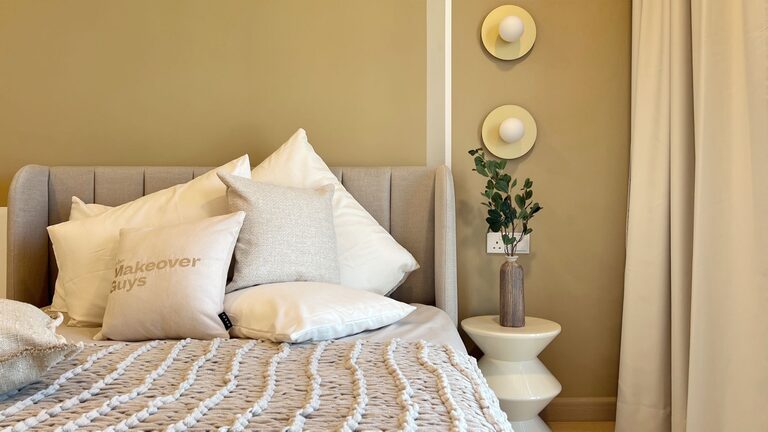
You can also create a layered look by combining different textures. Pair smooth cotton sheets with a knitted throw or a soft quilt. Look for bedding during seasonal sales, and compare prices before buying.
Update the Lighting
Lighting can make a bedroom feel warm and inviting. If the room has only one overhead light, add smaller sources around the space.
A table lamp on a nightstand is useful and decorative. A floor lamp can brighten a dark corner, while string lights can add a soft glow when used neatly and safely. Replace a plain lampshade with a new one, or update an existing shade with fabric trim if you enjoy simple crafts.
Use warm-toned bulbs for a relaxing atmosphere. Place brighter lighting near a dresser or mirror where you need to see clearly. Make sure cords are tucked away and do not create a tripping hazard.
Mirrors can also improve the way light moves through the room. A secondhand mirror with a simple frame may be an affordable addition.
Add Color Without Repainting the Whole Room
Painting every wall can take time and money, but you can still introduce color in smaller ways. Try painting one accent wall, the inside of a bookshelf, or the surface of a small piece of furniture.
Other easy options include:
– Framed prints
– A colorful rug
– New curtains
– Decorative pillow covers
– A fabric wall hanging
– A painted picture frame
– Removable wall decals
When choosing colors, consider the room’s existing flooring, furniture, and natural light. If you are unsure, select one main color and repeat it in small accents throughout the room. This creates a coordinated look without making the space feel overly matched.
Make Your Own Wall Decor
Personal artwork can make a bedroom feel more welcoming and costs very little. Create a gallery wall using postcards, calendar pages, simple drawings, or printed photographs.
To keep the display organized, choose frames in the same color or arrange pieces in a clean grid. You can also hang a single large item above the bed or dresser for a strong focal point.
Other simple DIY ideas include:
– Pressed leaves in inexpensive frames
– A fabric panel hung from a wooden dowel
– A painted canvas with simple shapes
– A bulletin board for photos and notes
– A collection of small baskets mounted on a wall
Use removable hooks when suitable, especially if you are renting or want to change the arrangement later.
Improve Storage With Affordable Solutions
Bedroom organization does not have to mean buying a complete storage system. Make better use of the space you already have.
Place low storage boxes under the bed for seasonal clothing, spare linens, or shoes. Add baskets to open shelves to hide small items and create a cleaner appearance. A set of hooks behind the door can hold bags, robes, or hats.
You can also make existing furniture work harder. Use drawer dividers for accessories, add shelf risers inside a closet, or fold clothing vertically so more items are visible.
Choose storage containers that fit your room’s style. Matching baskets or simple fabric bins can look intentional, while labeled boxes make it easier to keep everything in place.
Bring in Natural Elements
Plants, flowers, and natural materials can make a bedroom feel fresh and comfortable. Choose low-maintenance plants if you do not have much time for care. A small plant on a dresser or a hanging planter near a window can add color without taking up much floor space.
If live plants are not practical, use dried flowers, a small vase of branches, or nature-inspired artwork. Wood, woven baskets, cotton, and linen can also add warmth and texture.
Be mindful of placement. Keep plants away from areas where they could spill water onto electronics or furniture.
Finish With Small Details
The final touches help the room feel complete. Replace worn drawer handles, add a tray to organize bedside items, or place a small dish near the door for jewelry and keys.
Scent can also affect the atmosphere. Use freshly washed bedding, open a window when weather allows, or choose a mild room spray. Keep scents subtle and select products according to their instructions.
Before finishing, walk through the room and remove anything that feels unnecessary. A refreshed bedroom should look attractive while remaining easy to use.
Make Your Budget Work Harder
Spend first on items that improve comfort and daily function, such as bedding, lighting, or storage. Save on decorative pieces by shopping secondhand, checking clearance sections, or repurposing items from other rooms.
A simple budget plan might include:
– Cleaning supplies: low cost or items you already own
– Bedding update: one key replacement
– Lighting: one useful lamp or new bulb
– Decor: handmade or secondhand pieces
– Storage: boxes, baskets, or organizers as needed
Take your time and make changes gradually. A bedroom does not need to be finished in a single weekend. With careful planning, creative updates, and a focus on comfort, you can create a fresh space without overspending.