
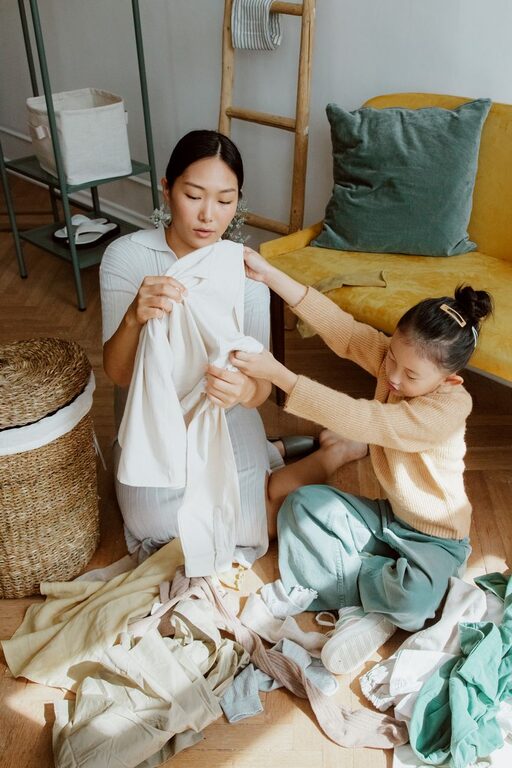
Household chores are a normal part of daily life, but they can quickly feel overwhelming when they pile up. Cleaning, laundry, dishes, shopping, and organizing all require time and attention. The good news is that chores do not have to take over your day.
A few simple changes can make household tasks easier to plan and complete. By breaking large jobs into smaller steps, creating realistic routines, and sharing responsibilities, you can keep your home more manageable without aiming for perfection.
Start With a Simple Chore List
Before changing your routine, make a list of the chores you regularly need to do. Include both daily tasks and less frequent jobs, such as cleaning appliances or changing bedding.
Once everything is written down, divide the list into categories:
– Daily chores, such as washing dishes or wiping counters
– Weekly chores, such as vacuuming or cleaning bathrooms
– Monthly chores, such as dusting ceiling fans or organizing cabinets
– Seasonal chores, such as cleaning windows or sorting storage areas
A complete list can make chores feel less stressful because you no longer have to remember everything at once. It also helps you see which tasks are most important and which can wait.
Break Large Tasks Into Small Steps
Some chores feel difficult simply because they include too many steps. Instead of writing “clean the kitchen,” break the task into smaller actions:
- Put away items that are out of place.
- Load or wash the dishes.
- Wipe the counters.
- Clean the sink.
- Sweep the floor.
Small steps are easier to start and easier to finish. Completing one action can also create momentum for the next.
This approach works for other tasks, too. “Do the laundry” might become:
– Gather clothing
– Sort the load
– Start the washer
– Move clothing to the dryer or drying rack
– Fold the clean items
– Put everything away
You do not always need to finish every step at the same time. If your schedule is busy, spreading the steps throughout the day can still help you make progress.
Use Short Cleaning Sessions
You do not need several uninterrupted hours to make a difference. Short cleaning sessions can be surprisingly effective.
Try setting a timer for 10 or 15 minutes and focus on one area. During that time, avoid switching between rooms or tasks. When the timer ends, stop or take a break. You can repeat the process later if you have the energy.
Short sessions work well for:
– Clearing a crowded table
– Organizing a drawer
– Wiping bathroom surfaces
– Picking up items from the floor
– Sorting mail and paperwork
– Folding a small load of laundry
The goal is not to complete the entire house in one session. The goal is to make steady progress without making chores feel exhausting.
Create a Basic Daily Routine
A regular routine reduces the need to decide what to do each day. Choose a few tasks that help keep your home under control and assign them to a convenient time.
For example, a simple daily routine might include:
Morning
– Make the bed
– Put away clean dishes
– Start one load of laundry if needed
– Return misplaced items to their usual spots
Evening
– Wash or load the dishes
– Wipe kitchen surfaces
– Clear the main living area
– Take out the trash when necessary
Keep the routine realistic. If it includes too many tasks, it may be difficult to maintain. A short routine that you follow consistently is more useful than an ambitious plan that quickly becomes frustrating.
Keep Cleaning Supplies Easy to Reach
You are more likely to complete a chore when the supplies are nearby. Store basic products and tools where you use them most often.
For example:
– Keep a small cleaning kit in the bathroom.
– Store a broom or handheld vacuum near the kitchen.
– Place laundry supplies close to the washer.
– Keep reusable cloths in an accessible drawer.
A portable basket can also help. Fill it with the supplies needed for several rooms, then carry it with you as you clean. When you finish, return the basket to its storage area.
Use product labels as directed, and avoid mixing cleaning products. Simple, clearly organized supplies are usually enough for routine household care.
Give Everything a Home
Clutter often grows when items do not have a clear place to go. Assigning a regular home to commonly used objects makes tidying faster.
Start with items that often collect in visible areas:
– Shoes
– Keys
– Toys
– Chargers
– Blankets
– Bags
Use baskets, hooks, shelves, or small containers to keep these items organized. The system does not need to look perfect. It only needs to be simple enough that everyone knows where things belong.
When an item is easy to put away, you are more likely to return it to its place instead of leaving it for later.
Use the One Touch Rule
The one touch rule means handling an item as soon as possible instead of moving it from one temporary location to another.
For example:
– Put mail in its proper place when you bring it inside.
– Place dirty clothes directly in the hamper.
– Return a book to the shelf after reading.
– Put dishes in the dishwasher or sink after using them.
This habit prevents small tasks from becoming larger piles. It may take practice, but even using the rule for a few common items can reduce clutter.
Combine Chores With Existing Activities
Some chores can be paired with things you already do. This can make them feel less like separate tasks.
You might:
– Wipe the bathroom sink while waiting for water to warm
– Unload the dishwasher while coffee brews
– Fold laundry while listening to a podcast
– Sort the mail while waiting for dinner to cook
– Sweep the kitchen after finishing a meal
Choose combinations that feel natural. Do not add so many tasks that your routine becomes stressful. The purpose is to use small pockets of time, not to fill every quiet moment with work.
Share Responsibilities Clearly
If you live with other people, chores should not automatically fall to one person. Discuss what needs to be done and divide tasks in a clear, practical way.
Instead of saying, “Please help more,” assign specific responsibilities. For example:
– One person handles dishes.
– Another person takes out the trash.
– Children put away toys and sort laundry.
– Roommates take turns cleaning shared spaces.
A visible schedule can help everyone remember their responsibilities. It is also useful to review the arrangement occasionally, especially when work hours, school schedules, or household needs change.
Make Progress, Not Perfection
A home does not need to be spotless at all times. Trying to complete every chore perfectly can make routine tasks feel harder than they need to be.
Focus first on the areas that affect comfort, health, and daily function. Clean dishes, clear walkways, fresh towels, and an orderly place to sleep may matter more than perfectly organized cabinets.
When your time or energy is limited, choose the most useful task and leave the rest for another day. A manageable home is built through regular small efforts, not one exhausting cleaning session.
End With a Quick Reset
A five-minute reset at the end of the day can make the next morning easier. Walk through the main living areas and return a few items to their proper places.
You might:
– Clear the kitchen counter
– Put away shoes and bags
– Gather cups and dishes
– Fluff couch cushions
– Prepare items needed for the next day
This short habit helps prevent clutter from building up. It also gives you a clear stopping point, so chores do not continue indefinitely.
Making chores more manageable is mostly about reducing friction. Use simple routines, divide large tasks, keep supplies accessible, and give yourself permission to work at a realistic pace. With a few consistent habits, everyday chores can become less stressful and easier to fit into your life.