
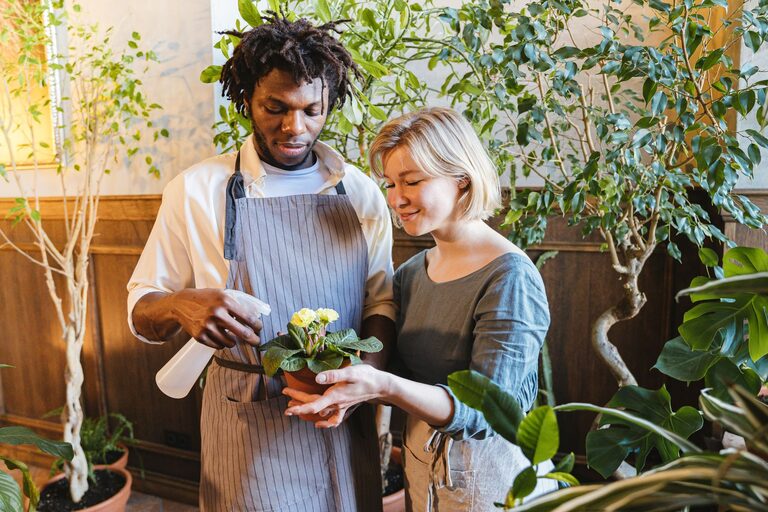
Houseplants can brighten a room, improve its atmosphere, and bring a touch of nature indoors. While different plants have different needs, most houseplants stay healthy when they receive suitable light, careful watering, good air circulation, and regular attention.
You do not need an elaborate setup to care for indoor plants. A simple routine and a little observation can help you spot problems early and support steady growth.
Choose the Right Location
The best place for a houseplant depends on the amount and strength of light it needs. Before placing a plant, observe how sunlight moves through the room during the day.
Understand light levels
– Bright direct light: Strong sunlight shines onto the plant for several hours. This may suit sun-loving plants, but intense afternoon light can scorch some leaves.
– Bright indirect light: The room is well lit, but the plant is protected from direct rays. This works well for many popular houseplants.
– Low light: The area receives little natural light. Some plants tolerate these conditions, although growth may be slower.
If a plant develops pale leaves, long weak stems, or leans strongly toward a window, it may need more light. If leaves become brown, faded, or scorched, the plant may be receiving too much direct sun.
Rotate pots a quarter turn every week or two so all sides receive similar light. This can encourage more balanced growth.
Water Carefully
Overwatering is one of the most common problems for houseplants. Many plants suffer because they are watered too often rather than because they receive too little water.
Check the soil before watering. Press your finger about an inch into the surface. If the soil feels dry, the plant may need water. If it still feels damp, wait a few days and check again. Plants in bright, warm locations may need water more often than those in cool, shaded rooms.
When watering, soak the soil until water flows from the drainage holes. This helps moisten the entire root area. Empty any water that collects in a saucer or decorative container so the roots do not remain in standing water.
Watering needs can change with the seasons:
– Plants often need more water during periods of active growth.
– They may need less water during cooler or darker months.
– Newly repotted plants may require closer observation while their roots adjust.
– Small pots can dry out faster than large containers.
Rather than following a strict calendar, use the soil and the plant’s condition as your guide.
Use Pots With Drainage
A container with drainage holes helps excess water escape. Without drainage, water can collect around the roots and create conditions that lead to root damage.
If you prefer to use a decorative container without holes, keep the plant in a smaller nursery pot with drainage and place that pot inside the outer container. Remove the inner pot when watering, allow it to drain fully, and then return it to its place.
Choose a pot only slightly larger than the current root ball when repotting. A container that is too large holds more unused moisture, which can make watering problems more likely.
Select Suitable Soil
Regular garden soil is often too heavy for indoor containers. It may hold too much moisture and can limit air movement around the roots. A quality indoor potting mix is usually a better choice.
Different plants may benefit from different mixes:
– Cacti and succulents generally prefer a fast-draining mix.
– Tropical foliage plants often need a mix that holds some moisture while still allowing air to reach the roots.
– Orchids typically require a loose, coarse growing medium rather than standard potting soil.
Always check the basic care needs of a plant before choosing its soil. If water takes a long time to drain or the soil stays wet for many days, the mix may be too dense.
Keep Leaves Clean
Dust can collect on leaves and reduce the amount of light they can use. It can also make it harder to notice early signs of pests or other problems.
Wipe broad leaves gently with a soft, damp cloth. Support the leaf from underneath as you clean it to avoid tearing the stem or leaf surface. Small or delicate plants can often be rinsed gently with lukewarm water, provided the container drains well afterward.
Avoid using household cleaners, oils, or shiny leaf products. These products may damage the natural surface of the leaves.
Provide Comfortable Conditions
Most common houseplants prefer stable indoor conditions. Keep plants away from cold drafts, heating vents, air conditioners, and sudden temperature changes.
Good air circulation is helpful, but avoid placing plants directly in the path of strong airflow. Excessively dry air can cause brown leaf edges, especially on plants with thin or delicate foliage. Grouping plants together may create a slightly more humid area, although each container still needs proper drainage and space.
You can also place a plant near a tray filled with pebbles and a small amount of water. The pot should sit above the water rather than directly in it. This may provide mild local humidity without leaving the roots submerged.
Feed Plants in Moderation
Plants use nutrients from the soil as they grow. A balanced houseplant fertilizer can support new leaves and healthy development, but more fertilizer is not always better.
Follow the product directions and avoid applying more than recommended. Overfertilizing can damage roots and cause a buildup of salts in the soil. Many plants need little or no fertilizer during slower growth periods.
Water the plant first if the soil is very dry, then apply diluted fertilizer according to the label. This can help reduce the risk of root stress.
Inspect Plants Regularly
Spend a few minutes each week looking closely at your plants. Check both the tops and undersides of leaves, along with stems and the soil surface.
Watch for:
– Sticky residue on leaves
– Fine webbing
– Small insects
– White or cottonlike spots
– Yellowing leaves
– Soft stems
– Mold on the soil surface
If you notice a possible pest problem, move the plant away from other plants until you can identify and address the issue. Remove badly damaged leaves with clean scissors and follow a suitable treatment designed for indoor plants. Early attention is usually easier than trying to correct a larger problem later.
Prune and Repot When Needed
Pruning helps remove dead, damaged, or overcrowded growth. Use clean, sharp scissors and cut just above a healthy leaf or stem when possible. Removing faded flowers and yellow leaves also keeps the plant looking tidy.
A plant may need repotting when roots circle tightly around the inside of the container, grow through the drainage holes, or dry out unusually quickly after watering. Other signs include stalled growth and soil that has become compacted.
Repot during the plant’s active growing period when possible. Choose fresh potting mix and a container only one size larger. After repotting, water according to the plant’s needs and give it time to adjust.
Build a Simple Care Routine
A consistent routine makes houseplant care easier. Once a week, check the soil, inspect the leaves, rotate the pots, and remove fallen plant material. Every few weeks, clean broad leaves and look for signs of pests. Keep a simple note of watering if you care for many plants or are learning their patterns.
Most importantly, observe how each plant responds. Healthy growth, firm stems, and evenly colored leaves are usually good signs. With the right location, careful watering, and regular attention, your houseplants can remain attractive and healthy throughout the year.